


Sonolus
3.8226.00 Reviews
App Specs
- Version
- 1.1.3
- Updated On
- License
- Free
- Downloads
- 1,000,000+
- Developer
- Macau FosFenes Technology
- Categories
- Music
- Platform
- Android, iOS
Screenshots
 Analysis by AppCompare
I judge a rhythm game by what it gives me to work toward after the first few songs, and Sonolus has an unusual answer: it puts community-made play and the possibility of creating levels at the center. That makes it less like a fixed campaign with a neat sequence of unlocks and more like a place to seek out challenges for yourself. I find that appealing when I want variety, though it also means the experience depends on how much effort I’m willing to put into choosing what to play.
Finding a first goal that feels manageable
For a new player, the most useful early goal is not to master every tool or build a polished chart. It is to find one community level that suits your current timing and play it long enough to understand its rhythm. When I approach a user-created library this way, I’m less likely to mistake an unusually demanding selection for the whole game. I would start with something that looks approachable, learn how its notes line up with the music, then try a more involved chart once the basic feel clicks.
This is also where Sonolus differs from a conventional music game built around a curated progression. A fixed track list can guide you from an introduction toward harder stages, while a community-centered catalog gives you more freedom but asks you to make the choice. That freedom is a strength for curious players, but it can be a small hurdle if you want the game to tell you exactly what to do next.
How I read progress without a long campaign
Progress here is best treated as a personal practice loop: find a chart, notice which passages interrupt your timing, and return to it with a clearer idea of what needs work. I like this kind of progress because it turns a short session into something purposeful without requiring a long playthrough. Rather than chasing a story milestone, I can focus on becoming more consistent on a particular pattern or move on to a chart that tests a different skill.
One practical habit is to stop after a difficult run and identify the exact moment that caused trouble instead of immediately repeating the entire level without a plan. That small pause can make practice feel less like tapping blindly and more like learning the chart’s structure. It is a useful approach for players who enjoy improving through repetition, but anyone who mainly wants a steady stream of obvious rewards may find this less satisfying than a game with clearly staged unlocks.
Challenge, choice, and the pace of play
Because the material comes from creators, the challenge can feel less uniform than in a tightly authored campaign. One chart may suit a relaxed session, while another may demand sharper timing and more concentration. I see that variety as part of the appeal, but it means I would not assume that every new selection is a carefully ordered step up from the last. Choosing based on the kind of session I want—casual play or focused practice—helps keep the difficulty from feeling arbitrary.
The same choice affects pacing. If I have only a few spare minutes, I can treat a single chart as a complete session rather than feeling obliged to clear a sequence. If I have longer, I can browse, compare possibilities, and settle into a more demanding practice run. The trade-off is that browsing itself can take time; players who prefer a tightly guided route from one track to the next may be happier with a more traditional rhythm game.
Worth Reading Before You Choose

Flipboard Shows What News Apps Must Do Beyond the Feed

Switching to Android Auto Means Rethinking Your Driving Routine

Google Calendar Makes a Crowded Week Easier to Manage

Ludo King Makes the Most of the Minutes Between Plans

Baby Panda World Brings Quick Play to Modern Phones, but Its Game Library Feels Busy

ESPN’s Live Game View Makes Following Close Games Easier
Who will get the most from it
I would recommend Sonolus to players who enjoy experimenting, discovering other people’s ideas, or learning enough about chart design to make their own. It is a particularly good fit if you like rhythm games as both a performance challenge and a creative hobby. It is less compelling for someone who simply wants a familiar playlist, a clear campaign, or a sequence of rewards that steadily directs every session. That difference is not a flaw so much as a choice about what kind of motivation works for you.
A realistic way to try it is to open the game during a short break, pick one community chart rather than browsing indefinitely, and give yourself a modest goal: get comfortable with its timing or finish a run with fewer interruptions. On a quieter evening, the same player might spend more time exploring the editor. Keeping those two kinds of sessions separate helps: playing a chart is an immediate activity, while building one asks for curiosity and patience.
What creation asks of you
Making a chart can be rewarding, but I would not treat it as a shortcut to instant entertainment. The editor invites experimentation with timing and presentation, and shaping an idea into something another person can play takes more attention than simply choosing a level. A useful first project is small: focus on a short musical passage and make its note placement readable before worrying about elaborate presentation. That keeps the creative task from becoming a pile of unfinished adjustments.
There is another trade-off for creators: a level that makes sense to its author may not communicate its rhythm clearly to a first-time player. I would test a draft as a player, not just admire it as a design, and pay attention to whether the notes feel connected to the music. Community feedback can help, but it works best when you are ready to revise rather than expecting praise to do the work for you. If you only want to play, there is no need to make anything; the creation side is an option, not an obligation.
Practical expectations before installing
Sonolus is a free music game from Macau FosFenes Technology, with optional in-app purchases priced from $4.99 to $49.99 per item. Its Everyone age rating makes it broadly suitable by content classification, though the challenge and creative tools may appeal more to players who already enjoy rhythm games. The current version is 1.1.0, and the minimum operating system is 7.1. The game has a 3.6 average from around 3,500 ratings, alongside more than a million installs; I would treat that as a sign of a sizable audience, not a guarantee that its open-ended style will suit every player.
Before spending anything, I would first see whether the free experience gives me a reason to return. The optional purchases are worth considering only if I understand what I want from them; a purchase should not be a substitute for finding charts and play habits I genuinely enjoy. If I’m deciding between this and a more conventional rhythm game, I’d choose Sonolus for creative freedom and community variety, but choose the other game if I want a more directed track-by-track journey.
Getting Started with Sonolus
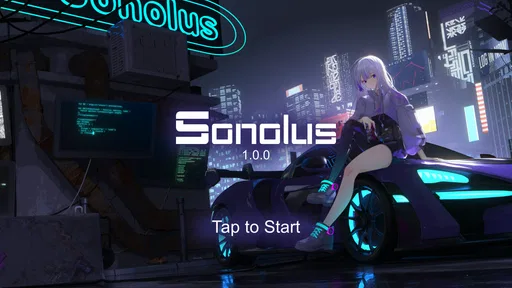
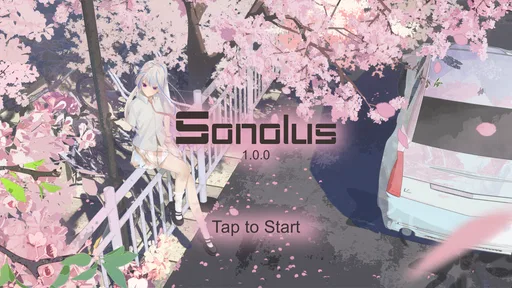
When I first downloaded Sonolus, I was immediately struck by its minimalist yet functional interface. The app is available on both Android and iOS, making it accessible to a wide range of users. Setting it up was a breeze, and I was ready to dive into the world of beats and notes in no time.
One of the standout features is how customizable everything is. For those who love tinkering with game mechanics, Sonolus provides a playground where you can design your own levels, complete with custom graphics, sounds, and gameplay mechanics. It's like building your own rhythm-based universe from scratch.
Exploring the Community Creations
After getting the hang of the basics, I decided to explore what the community had to offer. And let me tell you, the creativity of users around the world is nothing short of amazing. The app has an active and passionate community that continuously uploads new levels, each with its own unique flair and challenge. From catchy pop tunes to intense classical pieces, there's something for everyone.
What's more, navigating through these community creations is straightforward. You can easily search for specific levels or browse through categories, and before you know it, you're tapping away to your new favorite beat. The variety and quality of the content are a testament to the app's robust creation tools.
Creating Your Own Masterpiece
Feeling inspired by the community, I decided to try my hand at creating a level. The editor is incredibly intuitive, even for someone like me who isn't particularly tech-savvy. You can import your own music tracks and start placing notes on a timeline, adjusting the speed, and adding effects. The freedom to experiment is exhilarating, and the app provides all the tools you need to see your vision come to life.
For those who might feel overwhelmed, there are plenty of tutorials and resources available both within the app and online. The community is also very supportive, offering tips and feedback to help you refine your creations.
Performance and Usability
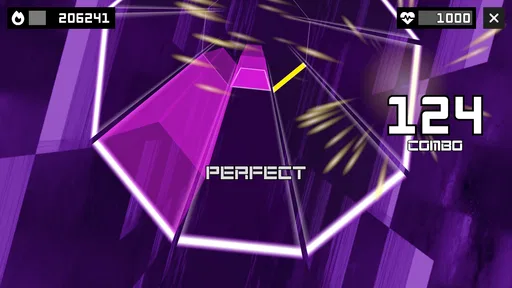
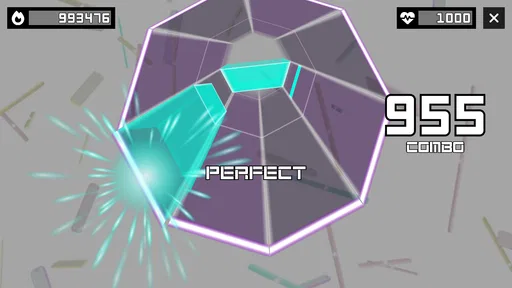
Throughout my time with Sonolus, I was impressed by how smoothly everything ran. The app is well-optimized, ensuring that even the most complex levels load quickly and run without a hitch. This is crucial for a rhythm game where timing is everything. Whether I was playing or creating, the experience was seamless.
Moreover, the app doesn't bombard you with ads or unnecessary pop-ups, which is a refreshing change from many other mobile games. It's clear that the developers have focused on providing a quality user experience.
Final Thoughts
All in all, Sonolus is a gem for rhythm game lovers. It offers an unparalleled level of customization and creativity, allowing users to explore and contribute to a vibrant community of music enthusiasts. Whether you're looking to play through a plethora of community-created levels or unleash your own creativity, Sonolus has something to offer.
If you haven't already, give Sonolus a try. It's a delightful way to engage with music, challenge your reflexes, and perhaps even discover a new hobby in game design. Happy tapping!
Pros
- Highly customizable user interface.
- Supports community-driven content.
- Optimized for smooth performance.
- Frequent updates and improvements.
- Cross-platform compatibility.
Cons
- Steep learning curve for beginners.
- Limited official content.
- Occasional minor bugs.
- Requires constant internet connection.
- In-app purchases can be pricey.
FAQs for Sonolus
What is Sonolus and what can I use it for?
Sonolus is a versatile and highly customizable rhythm game engine available for both Android and iOS. Users can create, share, and play custom rhythm games. It's designed for enthusiasts who enjoy developing and experiencing unique gameplay experiences tailored to their preferences.
Is Sonolus free to download and use?
Yes, Sonolus is free to download on both Android and iOS platforms. However, some features or content created by the community might be available as in-app purchases, depending on the creators' preferences. It's a great platform for those looking to explore rhythm games without any upfront costs.
What are the main features of Sonolus?
Sonolus offers extensive customization options, allowing users to create unique rhythm game levels with custom sounds, visuals, and gameplay mechanics. It supports a wide range of audio and visual formats, ensuring creators have the flexibility to bring their ideas to life. The app also includes a community hub for sharing and discovering new content.
Can I play Sonolus offline?
Yes, Sonolus allows users to play downloaded levels offline. This feature is especially useful for users who may not always have internet access but still want to enjoy their favorite rhythm games. However, accessing new content or community features will require an internet connection.
What devices are compatible with Sonolus?
Sonolus is compatible with most modern Android and iOS devices. It's optimized to deliver smooth performance across a range of smartphones and tablets. Users should ensure their device meets the minimum system requirements for the best experience, including sufficient storage and a stable operating system version.


